
Mold Remediation: All About the Basics and Process for Removal
Mold growth is one of the most common and frustrating problems homeowners and property managers face. Whether caused by moisture, leaks, or poor ventilation, mold can spread quickly and impact both indoor air quality and structural integrity. This is where mold remediation becomes essential. Understanding what mold remediation involves, how it works, and when to hire professionals can help you protect your home and ensure a healthy living environment.
This guide covers everything you need to know about mold remediation, the mold remediation process, and how professional mould removal services ensure safe and effective removal.
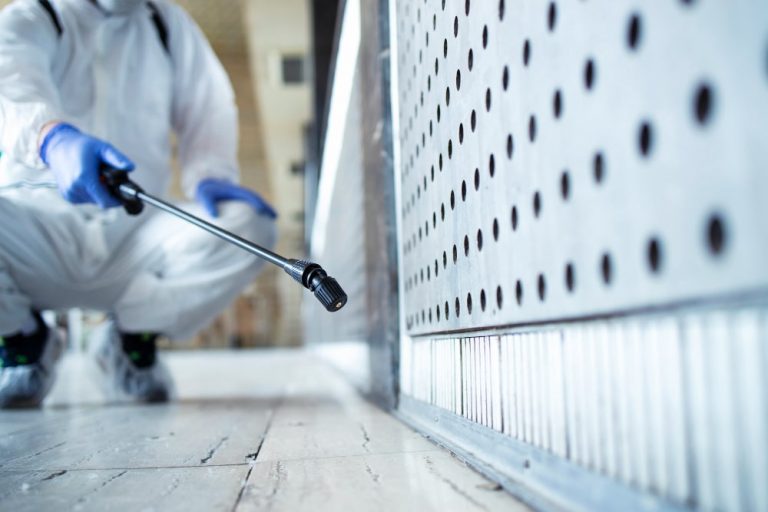
What Is Mold Remediation?
Mold remediation refers to the complete process of identifying, removing, cleaning, and preventing mold growth in a property. Unlike simple cleaning methods, mold remediation addresses both visible mold and hidden spores that could lead to recurring problems.
The goal of mold remediation is to return the indoor environment to a safe, controlled, and mold-free state. It not only eliminates active mold growth but also targets the root cause—usually excess moisture.
Why Mold Remediation Is Important
Mold affects more than just the appearance of walls or ceilings. When mold grows, it can cause:
1. Health Risks
Exposure to mold can trigger:
- Allergies
- Respiratory issues
- Skin irritation
- Headaches or fatigue
Individuals with asthma or weakened immune systems are particularly vulnerable.
2. Structural Damage
Mold gradually breaks down organic materials such as:
- Wood
- Drywall
- Carpet
- Insulation
If left untreated, it can lead to expensive repairs.
3. Reduced Indoor Air Quality
Mold spores circulate through the air and settle on surfaces, reducing air quality and causing unpleasant odors.
4. Lower Property Value
Visible mold negatively impacts inspections, resale value, and rental appeal.
This is why proper mold remediation is important—not just to remove mold, but to prevent it from coming back.
Signs You Need Mold Remediation
You may need mold remediation if you notice:
- A musty or damp smell
- Discolored patches on walls or ceilings
- Water stains or moisture buildup
- Peeling paint or bubbling wallpaper
- Frequent allergy symptoms indoors
Even if mold is not visible, moisture problems often lead to hidden mold growth in attics, basements, or behind walls. That’s when professional mould removal services become necessary.
The Complete Mold Remediation Process
A successful mold remediation process follows a series of steps designed to eliminate mold thoroughly and ensure long-term protection. Here is a detailed breakdown:
1. Inspection and Assessment
The first step in the mold remediation process is a complete inspection of the affected area. Professionals use tools such as:
- Moisture meters
- Thermal imaging cameras
- Air quality tests
This helps identify the extent of mold growth and its source. Understanding the cause allows specialists to develop an effective remediation plan.
2. Containment of Affected Areas
To prevent mold spores from spreading, professionals isolate the contaminated space using:
- Plastic sheeting
- Negative air pressure
- Sealed entry points
Containment is a critical part of mold remediation. Without it, mold can spread to other rooms during removal.
3. Air Filtration
HEPA air scrubbers and filters are used to capture airborne spores. This step improves indoor air quality and protects occupants during the process. Air filtration continues throughout the entire remediation project.
4. Mold Removal
This is the most important step of the mold remediation process. Mold is removed using specialized techniques depending on the surface:
Non-Porous Materials
Surfaces like glass, metal, and tiles can be cleaned with antimicrobial solutions.
Semi-Porous Materials
Wood and concrete require deeper cleaning, sanding, or wire brushing.
Porous Materials
Carpets, drywall, insulation, and ceiling tiles often must be discarded because mold penetrates too deeply.
Professionals ensure all contaminated materials are safely removed and disposed of following industry standards.
5. Cleaning and Sanitization
After removal, the entire area is cleaned using:
- HEPA vacuuming
- Antimicrobial treatments
- Deodorization
This step kills remaining spores and eliminates the damp, musty smell associated with mold. Personal belongings like furniture or clothing may also be cleaned if affected.
6. Drying and Dehumidification
Since mold thrives in moisture, drying is essential. Industrial fans and dehumidifiers help eliminate water from walls, floors, and indoor air.
This step ensures mold does not return after remediation.
7. Repairs and Restoration
Depending on the damage, restoration may include:
- Replacing drywall
- Repainting walls
- Installing new insulation
- Repairing floors or carpets
This ensures your property is returned to its pre-mold condition.
Why Hire Professional Mould Removal Services?
While some minor mold cases can be cleaned with household products, most situations require professional mould removal services for safe and effective results. Here’s why:
Proper Tools and Expertise
Professionals use certified equipment and advanced techniques that homeowners don’t typically have access to.
Prevention of Cross-Contamination
Improper cleaning can spread spores to other areas of the home.
Accurate Identification of Moisture Issues
Experts locate hidden leaks or humidity problems contributing to mold growth.
Long-Term Results
Professional mold remediation ensures mold does not return, saving you money on repeated cleanings.
Health and Safety
Handling mold can be dangerous without proper training, protective gear, and ventilation control.
How to Prevent Mold After Remediation
Once the mold remediation process is complete, follow these preventive measures:
- Fix leaks immediately
- Maintain proper ventilation
- Use dehumidifiers in damp areas
- Keep humidity levels below 50%
- Clean and dry spills quickly
- Inspect basements, attics, and bathrooms regularly
Prevention is the best defense against recurring mold problems.
Your Next Steps for Safe Mold Remediation
Mold remediation is a detailed and essential process that ensures your home remains healthy, safe, and structurally sound. By understanding the fundamentals and the complete mold remediation process, you can make informed decisions when mold appears in your home. For severe or persistent mold issues, professional mould removal services are the most reliable solution to ensure long-lasting protection.
Taking early action not only protects your property but also improves indoor air quality and overall well-being. If you suspect mold is growing in your space, contact Foralis Environmental Inc. today to schedule a professional inspection and remediation—protect your home and health before it’s too late.