Common Hazardous Building Materials Found During HMBI Surveys
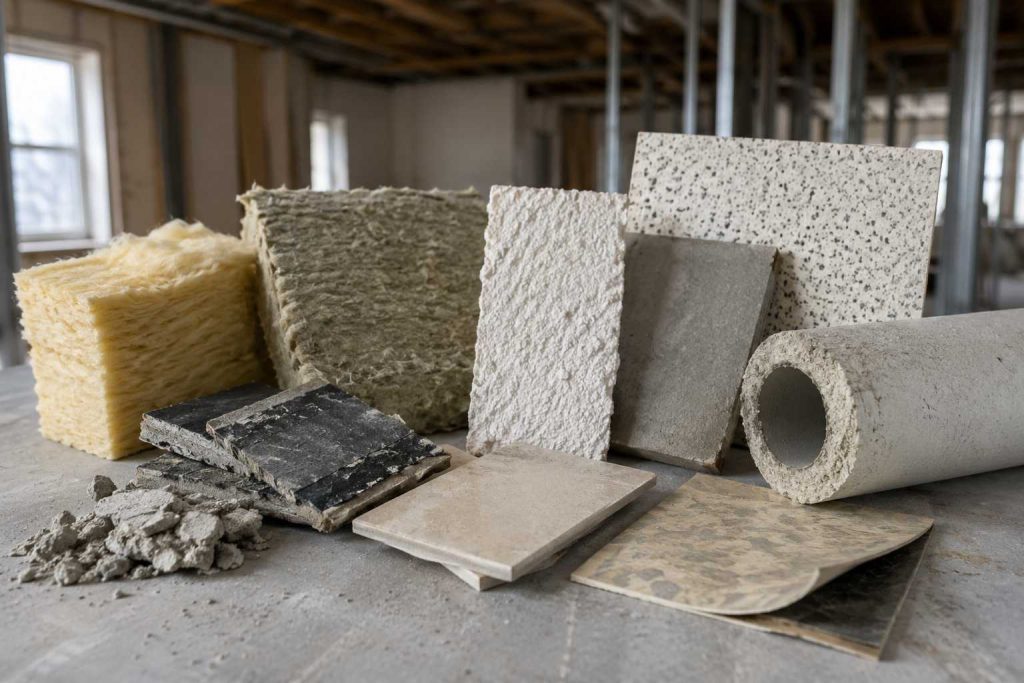
Buildings constructed before the early 2000s were often built using materials that are now known to pose serious health risks. Because these materials were standard practice at the time, they’re frequently hidden in plain sight, tucked into insulation, flooring, ceiling tiles, and coatings that look completely ordinary. An HMBI survey, short for Hazardous Materials in Buildings Inventory, is designed to find exactly these substances before demolition, renovation, or routine maintenance disturbs them. Understanding what an HMBI survey typically uncovers helps property owners and contractors plan safer, more compliant projects from the start.
What Is an HMBI Survey?
An HMBI survey is a structured hazardous materials inspection that catalogues the type, condition, and location of dangerous substances within a building. Unlike a general property inspection, an HMBI survey is specifically designed to identify materials regulated under provincial and federal workplace safety rules. A qualified assessor physically inspects accessible areas, collects samples where suspect materials are found, and sends those samples to an accredited lab for confirmation. The result is a detailed inventory report that contractors, demolition crews, and building owners can use to plan work safely and stay compliant with occupational health regulations.
In most jurisdictions, an HMBI survey or equivalent hazardous materials survey is a legal requirement before any demolition or major renovation permit can be issued, which makes this step unavoidable for most commercial and multi-unit residential projects. Skipping it isn’t just risky, it can also stall a project before it starts.
Why These Materials Are So Often Overlooked
Hazardous building materials rarely announce themselves. They were installed decades ago using techniques that blended seamlessly into standard construction, so a wall, ceiling, or floor can look completely benign while containing substances that require special handling. Without a formal hazardous materials inspection, workers can unknowingly disturb these materials during routine renovations, releasing fibres or dust into the air. This is precisely the gap an HMBI survey is built to close, since a proper HMBI survey identifies these risks before crews ever pick up a tool. Property owners who skip this step often only learn about a hazard once it has already been disturbed, which is a far more expensive and dangerous way to find out.
Common Materials Identified During an HMBI Survey
While every property is different, certain hazardous materials show up again and again across HMBI surveys conducted in older buildings. A comprehensive HMBI survey typically screens for the following:
- Asbestos-containing materials in pipe insulation, floor tiles, ceiling texture, and drywall joint compound
- Lead-based paint on trim, doors, and exterior surfaces installed before the 1990s
- Mould growth in areas with a history of water intrusion or poor ventilation
- Polychlorinated biphenyls (PCBs) in older fluorescent light ballasts and transformers
- Ozone-depleting substances in aging refrigeration and HVAC equipment
- Silica dust risks in concrete, brick, and mortar scheduled for cutting or demolition
Each of these materials carries its own handling, removal, and disposal requirements, which is why a single hazardous materials survey typically covers multiple hazard categories rather than testing for just one substance at a time.
How the Survey Process Works
A thorough HMBI survey generally follows a consistent sequence. It starts with a review of building records, including age, past renovations, and any existing hazard reports, since these details often point directly to likely problem areas. Assessors then conduct a physical walkthrough, examining insulation, flooring, ceilings, mechanical rooms, and other spaces where regulated materials are commonly found. Samples are collected from suspect materials and sent to a certified laboratory for analysis, and the findings from every HMBI survey are compiled into a report that ranks each hazard by risk level and outlines the recommended course of action.
This documentation isn’t just a formality. Contractors rely on it to scope remediation work accurately, insurers use it to assess liability, and regulators often require it as proof of due diligence before permits are approved.
Why a Professional Hazardous Materials Inspection Matters
Skipping or rushing a hazardous materials inspection can have serious consequences. Disturbing asbestos or lead without proper controls can expose workers and occupants to airborne particles linked to long-term respiratory illness. It can also halt a project entirely if inspectors discover undocumented hazards mid-renovation, leading to costly delays, stop-work orders, and potential fines. A properly conducted HMBI survey avoids these outcomes by identifying every regulated material upfront, allowing remediation to be scheduled, budgeted, and completed before construction begins rather than in the middle of it. In short, an HMBI survey turns an unpredictable risk into a manageable line item on the project schedule.
Why Choose Foralis Environmental for Your HMBI Survey
Foralis Environmental Inc has extensive experience conducting HMBI surveys across residential, commercial, and industrial properties throughout British Columbia. Our certified inspectors combine hands-on field expertise with accredited laboratory partnerships to deliver an HMBI survey that’s accurate, thorough, and easy to act on. Every report is organized to give contractors and property owners a clear picture of what was found, where it’s located, and what needs to happen next, so there’s no guesswork left in the process. We tailor each HMBI survey to the scope of the project, whether that’s a single-unit renovation or a multi-building demolition schedule.
Whether you’re preparing for a small renovation or a full-scale demolition, a hazardous materials inspection from a qualified team protects your workers, your timeline, and your compliance record.
Schedule Your HMBI Survey Today
Don’t let hidden materials derail your next project. Contact Foralis Environmental Inc at (778) 798-6782 to schedule a professional HMBI survey and get a clear, compliant path forward before work begins.

Foralis Environmental Inc
Foralis Environmental is a British Columbia-based environmental services company specializing in asbestos testing, HMBI surveys, risk assessments, mold and lead remediation, demolition, and excavation. Our team shares expert insights and practical guidance to help property owners, contractors, and businesses maintain safe, compliant, and environmentally responsible projects.